Event Overview
US Signals No Letup of Naval Blockade as it Aims to Squeeze Iran
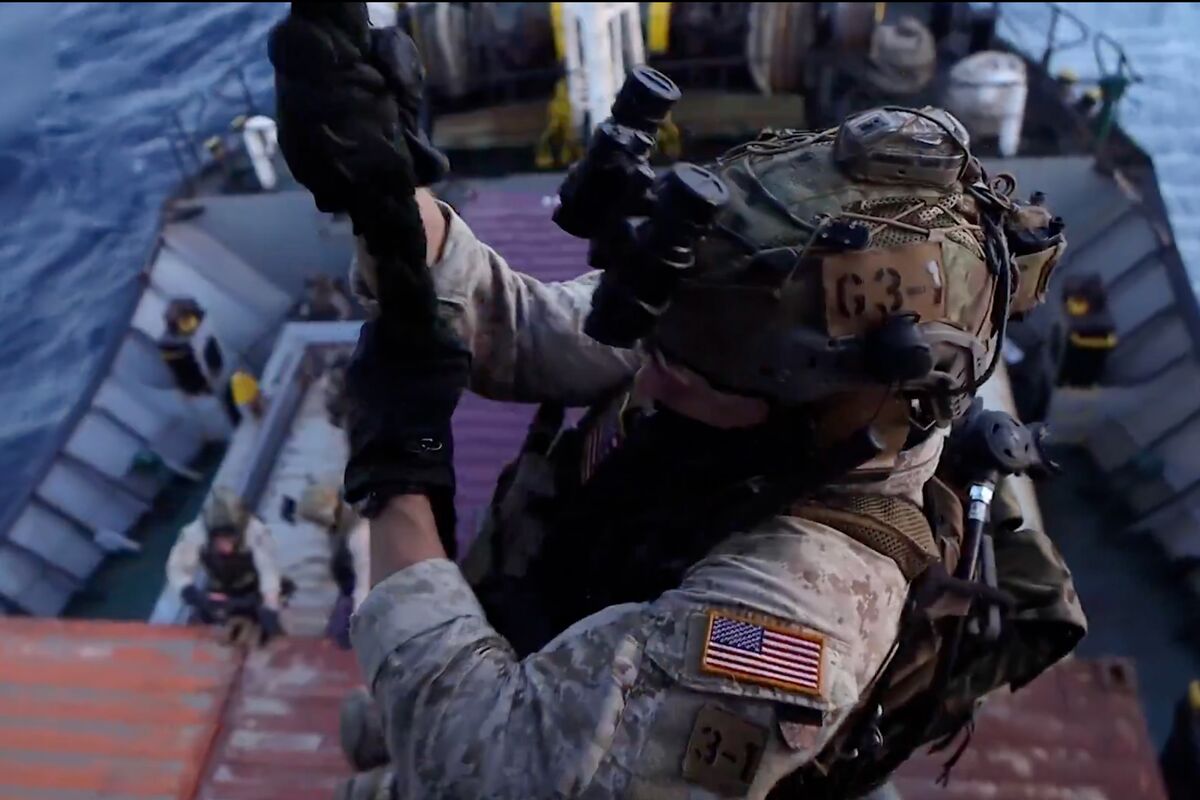
The U.S. has confirmed its intention to maintain a naval blockade of Iranian ports, aiming to cut off Tehran's oil exports and compel it to return to negotiations. This blockade is central to the ongoing standoff, with Iran asserting it will not resume talks or allow the reopening of the Strait of Hormuz while the blockade remains in effect. Iranian officials have indicated a willingness to reopen the Strait if the blockade is lifted and the war concludes, highlighting the complex dynamics at play.
The U.S. blockade is expected to significantly impact Iran's oil exports, which could further strain its economy and influence regional oil prices, as noted by Bloomberg.
Left / left-center
1
Center
1
Right / right-center
0
US Signals No Letup of Naval Blockade as it Aims to Squeeze Iran
The US signaled it would stick with a naval blockade of Iranian ports, as it tries to choke-off Tehran’s oil exports and force it back to the negotiating table.
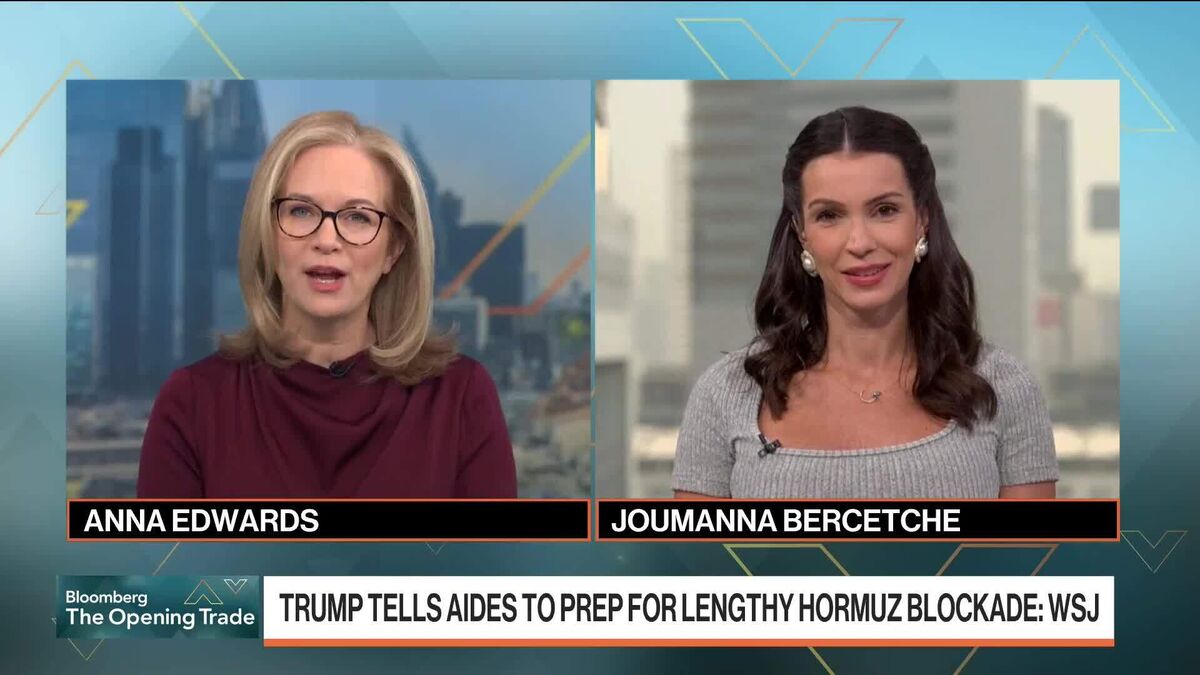
US Signals It Will Stick With Hormuz Naval Blockade
The US signaled there will be no letup with its naval blockade of Iranian ports, as it tries to choke-off Tehran’s oil exports and force it back to the negotiating table. The blockade lies at the heart of the impasse between the US and Iran, with the Islamic Republic insisting it won’t restart negotiations or reopen.
Iran offers to reopen Strait of Hormuz if US lifts its blockade and the war ends, officials say
Iranian Foreign Minister Abbas Araghchi landed in St. Petersburg on Monday morning ahead of a meeting with Russian President Vladimir Putin. Araghchi’s visit comes as a standoff between Iran and the U.S. in the crucial Strait of Hormuz persists despite a ceasefire, keeping oil prices high. Russian President Vladimir.