Event overview
Honda makes its first annual loss in 70 years
Honda reported its first annual loss in about seven decades, with a net window of 403.3 billion yen ($2.6 billion) for the year ending in March, driven by a pullback in EV investments. CNN notes the end of a $7,500 US tax credit and weaker EV demand; BBC cites a ¥423 billion operating loss and mentions plans to scrap some EV targets and source parts from China to cut costs. Ars Technica adds that Honda posted more than $9 billion in write-downs and will launch 15 hybrids by 2030. Articles corroborate the broad downturn in EV profitability and a pivot away from a fully EV fleet, though figures vary slightly by source."
Concrete downstream impact not stated in the supplied coverage.
Left / left-center
3
Center
0
Right / right-center
0
Honda makes its first annual loss in 70 years
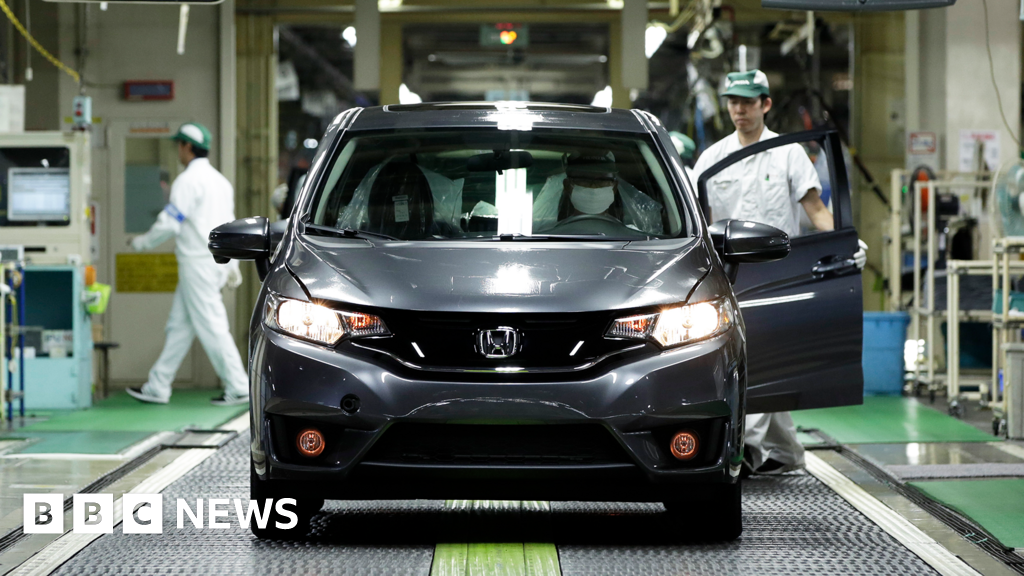
Japanese car giant Honda made its first annual loss in 70 years as its investments in the electric vehicle (EV) market failed to pay off. Demand for EVs has not been as strong as the company forecast, with Honda reporting a total operating loss for the year ending March 2026 of ¥423bn ($2.68bn: £1.99bn.). The firm.

Honda just lost money for the first time in 70 years
The auto industry’s massive pullback from its electric vehicle plans has claimed another victim: Honda, which posted its first annual loss since 1955. Honda and other global automakers downshifted their EV ambitions after the Trump administration changed US emissions rules and ended a $7,500 tax credit for American.
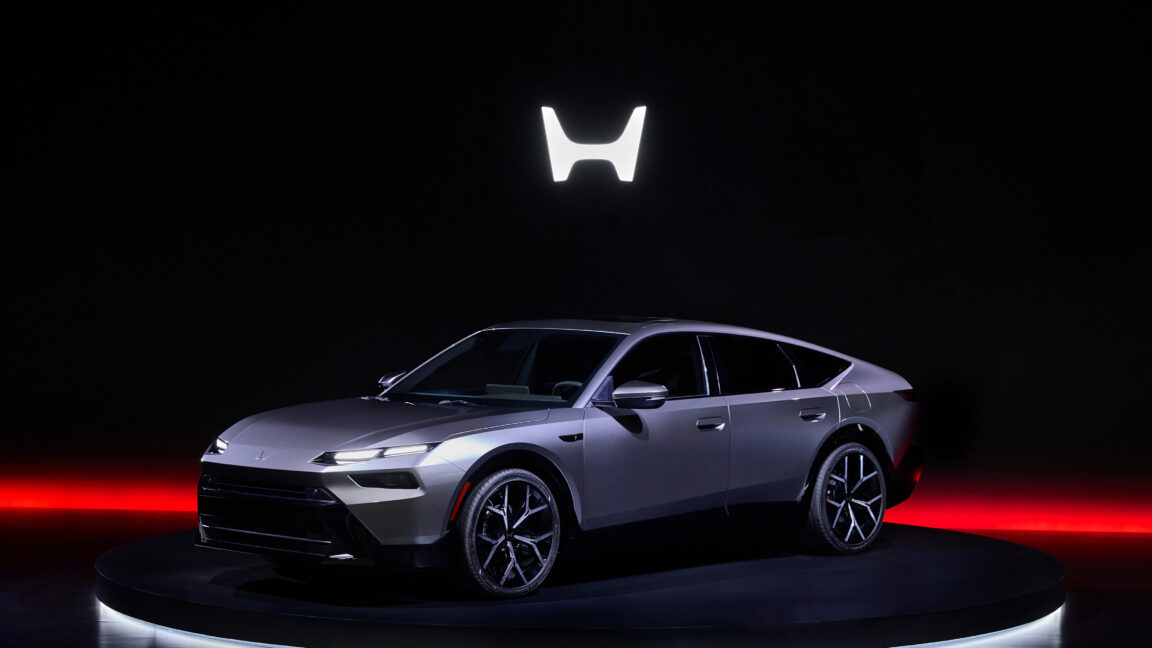
Honda shows off new hybrids for America as it absorbs $9 billion EV loss
After US government policies wrecked the country’s electric vehicle market, automakers have been scrambling to adapt. The loss of federal clean vehicle tax incentives and funding for charging infrastructure, combined with capricious tariffs, has resulted in a 28-percent drop in EV sales for the first three months of.